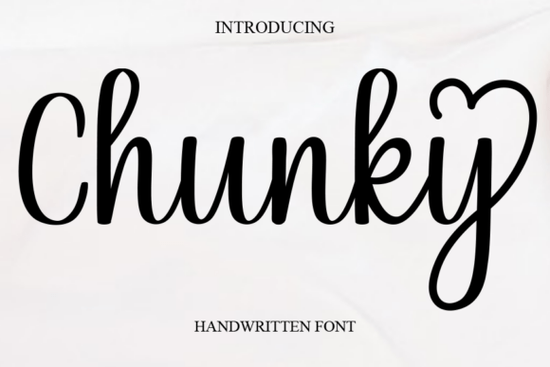
If you are looking for a typeface that feels personal but stays readable across multiple platforms, Chunky Font is a solid addition to your design toolkit. This sweet and cursive handwritten style brings a gentle, flowing rhythm to text without overwhelming your layout. Designers, crafters, and small business owners often reach for scripts that balance elegance with everyday usability, and this cut hits that mark right away. Whether you are preparing a boutique storefront, drafting wedding stationery, or setting up a new online shop, the letterforms carry enough character to catch attention while remaining easy to scan at a glance.
What actually sets this script apart from standard handwriting fonts?
The difference lies in its balanced weight and consistent baseline. Many decorative scripts become hard to read when scaled down, but this one maintains clear spacing between letters and keeps the strokes smooth enough for digital previews. You will notice a slightly rounded structure in the lowercase letters, which softens headings and creates a welcoming tone. It pairs well with clean sans-serifs for contrast, yet stands alone nicely when you need a focal point. If you ever feel stuck choosing between a rigid display font and a messy doodle style, this middle ground usually solves the problem.
Which project types benefit most from this style?
Brand packages, logo concepts, and seasonal marketing pushes all respond well to a script that feels approachable rather than formal. Wedding invitations naturally call for romantic touches, and the flowing joins between characters create a gentle presentation vibe without sacrificing legibility. Print-on-demand sellers frequently use it for tote bags, coffee mugs, and apparel graphics because the thickened curves hold up well after heat transfer or vinyl cutting. Greeting card makers appreciate how the lettering instantly adds a handmade quality, even when produced through modern presses. When you need something that looks polished but still carries a casual warmth, this family delivers consistently.
Exploring complementary cuts can expand your creative options significantly. Browsing collections like those playful swinging scripts or the friendly casual alternatives listed here often sparks fresh layout directions. For secondary accents that mimic marker strokes, testing out bold crayon-inspired marks works surprisingly well alongside smoother headers. If you prefer matching x-height variations, reviewing curved bundle packages or gentle duo combinations helps maintain stylistic harmony across mixed-media projects.
How do you pair it effectively without creating visual clutter?
Typographic harmony relies on contrast, not competition. Since this script already carries noticeable weight and rounded edges, it pairs best with minimalist geometric sans-serifs or simple serif body text. Avoid stacking it alongside other heavy decorative faces, as overlapping styles tend to fight for attention. Keep your headline hierarchy straightforward: let the script serve as your primary display element, then switch to a clean alternative for longer paragraphs. Careful pairing ensures your message stays clear instead of getting lost in excessive styling.
What technical details should you verify before purchasing?
File compatibility and usage rights matter long after the initial download. Most modern script families include OpenType and TrueType versions, though you should always review the license terms to confirm commercial allowances for merchandise printing or client deliverables. Testing your chosen size range beforehand helps catch spacing issues early, especially when adjusting wide tracking values. If you want to preview the complete character set and see actual rendering on screen, visiting the official creator resource at Chunky provides direct access to updated previews and export options. Taking five minutes to verify font weights and punctuation support saves frustration later during production.
Quick setup checklist before you start designing
- Open your preferred graphic editor and import both TTF and OTF variants to compare rendering quality.
- Set your primary heading size to at least thirty-six points for optimal curve visibility.
- Adjust letter spacing slightly wider than default to prevent overlapping terminals on tight layouts.
- Export a low-resolution test print to check how ink bleed affects delicate stroke connections.
- Save your typographic style sheet for future branding consistency across social graphics and packaging.
Review these steps before finalizing any client mockup, and you will notice fewer revision cycles down the line.
Get Started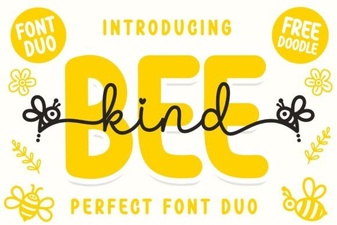 Bee Kind Duo Font: Creative Typography Projects
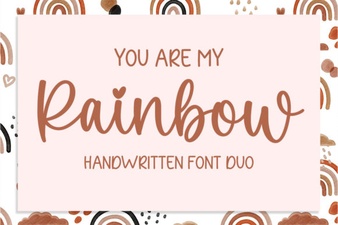 Rainbow Font Designs: Creative Ideas for Your Next Project
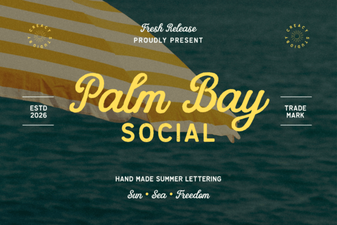 Palm Bay Font for Web Design Projects
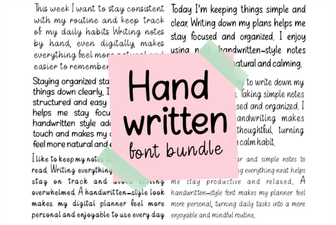 Unlock Your Creativity with Handwritten Font Bundles
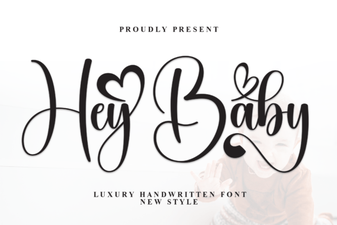 Hey Baby Font: Creative Uses & Design Inspiration
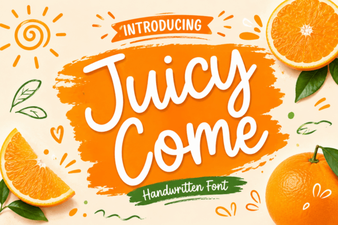 Juicy Come Font: a Creative Typeface for Bold Designs