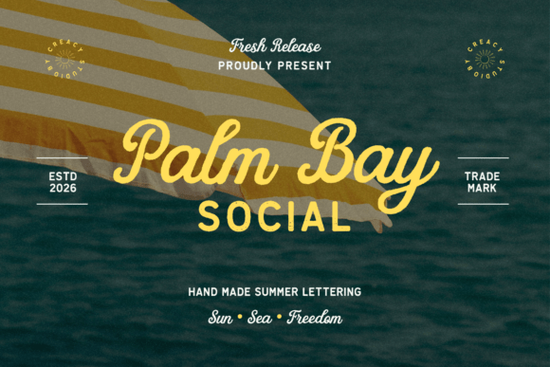
If you are searching for a typeface that instantly communicates salt air, neon signage, and relaxed vacation vibes, the PPalm Bay Social Font delivers exactly that without feeling overdone. Designed as a complementary duo, it pairs a flowing retro script with a crisp, lightly distressed sans serif. This contrast creates layered typography while keeping the layout cohesive. You will find it works reliably across various formats, from tote bag prints and social media graphics to event stationery and boutique packaging.
What actually makes this script and sans serif pair worth adding to your library?
Most decorative typefaces try to do too much, which often forces designers into tough trade-offs between style and legibility. This particular setup avoids that trap by letting each font handle its own role. The script provides movement and a handcrafted feel, while the geometric sans carries weights, dates, contact details, or short descriptors without competing for attention. When you place them together, you get a balanced layout that feels intentional rather than cluttered. Many creators prefer this approach because it saves time during the mockup phase and keeps final files organized. You can easily adjust tracking, swap case styles, or mix measurements without breaking the visual harmony.
How should I layer the two fonts to keep my layouts clean?
Start by treating the script as your headline element. Keep it large enough to read comfortably, but leave plenty of breathing room around the letters. The sans serif works best when you set it slightly smaller, usually in all caps or sentence case, depending on your available space. If you are working on apparel graphics, try wrapping the script over the sans line or placing it diagonally for that mid-century poster effect. Just remember to check kerning carefully, especially where the script’s swashes interact with straight lines. Design software handles these pairings smoothly when you let the script lead the composition. To see how others balance decorative and utilitarian typefaces, visit our guides on Chunky Font Script Fonts or Handwritten Font Bundle Font Script Fonts.
Where does this duo perform best in real-world projects?
Summer-themed campaigns move quickly, and having a ready-to-use pair takes the guesswork out of design decisions. Cafes use it for menu boards. Retailers apply it to tags and email headers. Independent authors sometimes lean on it for journal covers and printable planners. Wedding suites benefit from the softer script curves, while the structured sans keeps important details like dates and locations perfectly legible. Print-on-demand sellers also report faster turnaround times because the file already includes both styles, reducing the need to search for matching characters. If you frequently design for lifestyle brands or travel niches, this package fits right into those workflows. You might even pair it with vintage textures to deepen the nostalgic mood, much like how Bee Kind Duo Font Script Fonts and You Are My Rainbow Font Script Fonts approach color and sentiment in their respective layouts.
How do I avoid common mistakes when working with dual-type packages?
The main pitfall occurs when both fonts fight for attention. Establish a clear hierarchy early by assigning the script exclusively to headlines and the sans to body copy. Limit the script to three or four words per layout; anything longer tends to lose its visual impact and becomes hard to scan. When exporting files, outline your text only after verifying spacing at actual print size. RGB to CMYK conversion can sometimes tighten letterforms unexpectedly, so always run a test print. Export PNGs with transparent backgrounds to maintain crisp edges over busy photos. These steps keep your work professional and reduce client revisions. For additional technical guidance on selecting and licensing type for commercial products, you can review official documentation via Palm Bay Social Font.
Quick setup checklist for your first layout
- Test both fonts side by side at 12 pt to confirm readability
- Set the script as primary headline and the sans for supporting copy
- Adjust letter spacing on the script to match the width of the sans lines below it
- Save a master grid so future placements stay consistent across campaigns
Try building one simple postcard or tag mockup this week. Focus on negative space rather than adding extra graphics. You will likely notice how the pairing carries most of the visual weight on its own. Once you get comfortable with the rhythm between the two styles, applying them to larger projects becomes noticeably faster. Keep your design files organized and always check print margins before uploading to marketplace templates.
Try It Free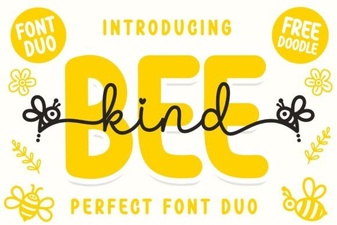 Bee Kind Duo Font: Creative Typography Projects
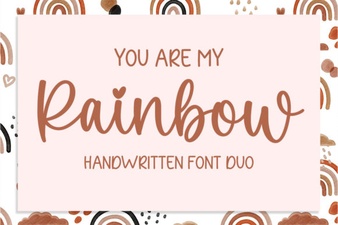 Rainbow Font Designs: Creative Ideas for Your Next Project
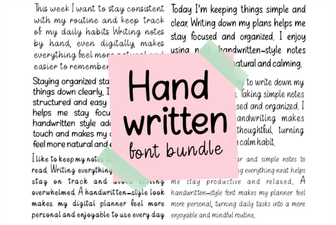 Unlock Your Creativity with Handwritten Font Bundles
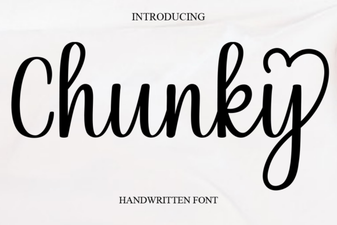 Bold Chunky Fonts for Impactful Graphic Design
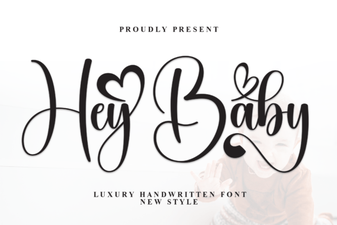 Hey Baby Font: Creative Uses & Design Inspiration
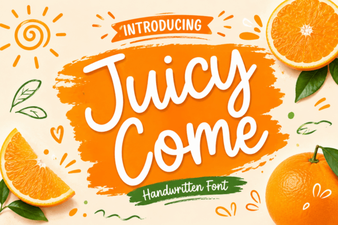 Juicy Come Font: a Creative Typeface for Bold Designs