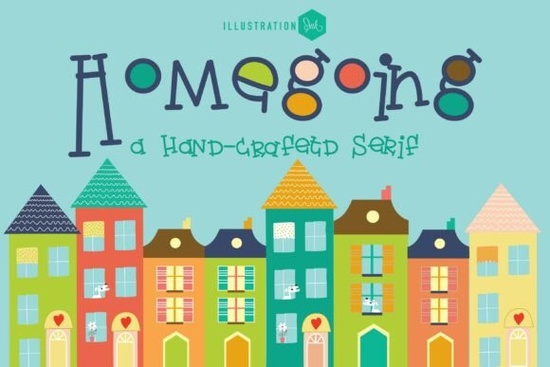
If you are looking for a display typeface that brings immediate warmth and approachable energy to your projects, the Homegoing Font delivers exactly that. This playful specialty font was built to feel inviting right from the first letter. Its mixed-case shapes combine uneven slab-serif bars with soft, rounded caps, while each character features hand-painted style color blocks and tiny decorative accents that look like miniature teapot lids. Whether you are designing packaging, printing wall decals, or setting up a shop banner, this typeface bridges mid-century illustration charm and modern indie branding without feeling dated. The consistent stroke width keeps reading comfortable even when text wraps around product corners.
Why do independent creators choose this specific style?
Most display typefaces struggle to stay readable when scaled down, yet this one maintains clear contrast across sizes. The tall letterforms leave enough breathing room around descenders, which matters when you run text through die-cut machines or print it on small tags. You can pair it with cleaner classic serif options for multi-tier layouts, or let it carry the full visual weight on minimalist backgrounds. The built-in ligatures and alternate glyphs also give layout designers more room to experiment without chasing third-party add-ons. When arranging short phrases, adjusting tracking slightly outward prevents the decorative tops from crowding adjacent letters.
Which project categories fit this design best?
Boutique bakeries often lean toward sweet, nostalgic visuals, making this choice an easy match for logo boards and cupcake wrappers. Handmade home goods sellers use it for woven textile labels, ceramic stamping templates, and custom nursery decor. If you regularly upload to print-on-demand platforms, the bold outlines hold up well during vector tracing and raster compression. Event coordinators appreciate the friendly tone for workshop flyers, neighborhood markets, and community bulletin boards. For designers who need sharper contrast, swapping in bold rounded lettering during heavy promotional runs keeps the visual hierarchy balanced. Jewelry makers also find success using the compact caps for engraved charms.
How does the file structure support different workflows?
The package typically includes standard OpenType formats, variable weights where available, and high-resolution PNG previews for quick mockups. File organization follows Creative Fabrica’s typical layout, so extracting individual glyphs or running basic kerning adjustments stays straightforward. Small team setups rarely face compatibility issues since most graphic suites recognize the format immediately. When planning larger commercial runs, many creators keep a backup set alongside their favorite professional custom typography to ensure consistent branding across digital ads and physical shipments. Opening the font editor reveals pre-set accent marks and floating lid shapes, saving hours of manual path tracing.
Can this work alongside seasonal or themed campaigns?
Absolutely. While the base colors suggest a spring-forward aesthetic, the underlying shapes remain neutral enough to accept any palette you apply in Illustrator or Procreate. Holiday brands frequently swap the original gradients for deeper autumn tones or cool winter shades before exporting final files. Some crafters layer it over textured paper scans to mimic vintage greeting cards, then export clean vectors for cutting plotters. If you ever need complementary holiday styles, browsing seasonal greeting scripts offers quick alternatives for limited-time drops. Testing brightness sliders early in your workflow ensures the decorative elements never overpower delicate line art.
What technical checks should you run before production?
Before sending artwork to commercial printers or cutting machines, verify glyph substitution settings. Turn off automatic punctuation handling so hyphenation does not split brand names unexpectedly. Measure baseline alignment against your actual material grain or fabric weave direction, since slight shifts become obvious when scaling beyond twelve inches. Keep your downloaded receipt alongside exported PDFs so licensing audits stay simple. When preparing layered files for manufacturing teams, flatten all text layers to prevent missing font warnings during batch processing.
Quick next steps: Open your design program, load the primary font file, and select five short phrases to test at 1, 3, and 6 inches. Check spacing consistency, adjust lead lines if needed, then export a 300 DPI proof. Compare the output on your actual material stock before approving a full run. For additional variations, explore the this playful display collection or browse alternative marketplaces. To see live previews and complete usage guidelines, visit the Homegoing Font resource page directly.
Try It Free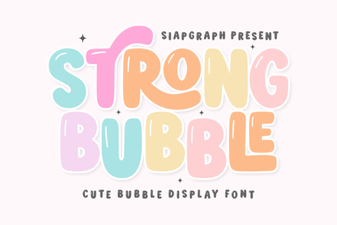 Playful Bubble Font Designs for Creative Projects
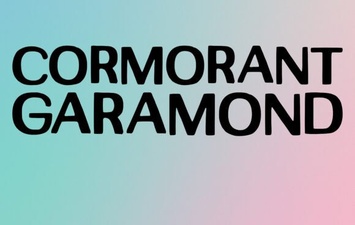 Elevate Projects with Cormorant Garamond
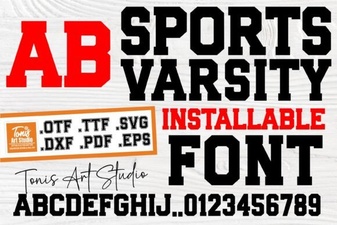 Varsity Lettering for Sports Graphics & Projects
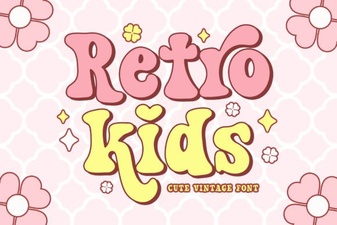 Retro Fonts for Kids: Design and Diy Projects
 Elevate Projects with Expert Designer Fonts
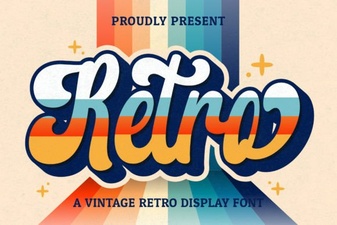 Vintage Script Fonts for Creative Design Projects