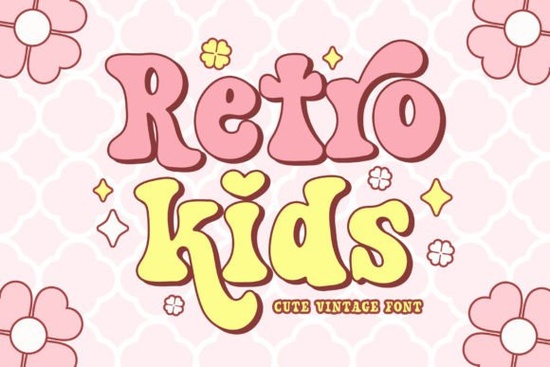
If you need a typeface that adds nostalgic charm without sacrificing readability, the Retro Kids Font delivers exactly that. It combines soft serif structures with playful curves, making it perfect for projects requiring a gentle vintage touch. Whether you are laying out classroom materials, drafting party invitations, or preparing files for print-on-demand apparel, this style handles headlines and smaller text blocks with ease. Built-in uppercase and lowercase alternates give you control over spacing, which matters when every millimeter counts on a cut file or printed label.
What makes this lettering style stand out in student branding?
The balance between structure and whimsy drives its appeal. Characters carry rounded edges and slight height variations that mimic classic school typography, while modern proportions keep small-size text legible. Designers often pair these forms with matte paper or pastel palettes to enhance the nostalgic feel. Having alternates saves manual tweaking since you can swap characters to fix awkward gaps. This flexibility proves useful when spacing short phrases across banners or tote bags.
Where do creators typically use these vintage typefaces?
Crafters and small business owners frequently reach for options like this when designing printable wall art, sticker sheets, or heat-transfer vinyl. The groovy undertones work well for summer merchandise, birthday stationery, and baby shower invites leaning toward earthy tones. You will also find them handy for labeling bins, creating teacher cards, or adding personality to digital planners. Clean open shapes reproduce reliably on fabric, mugs, and adhesive labels without losing definition during printing.
Which companion fonts pair best with a retro serif style?
Choosing a secondary typeface depends on contrast and purpose. A flowing script adds elegance to quotes, while a bold sans-serif grounds pricing tags or instructions. Many makers combine this display font with a relaxed script choice for event titles, or a clean bubble option for sale badges. If you prefer editorial depth, exploring a refined serif like Cormorant Garamond avoids competition with the main headline. For holiday collections, switching to a seasonal greeting set keeps storefronts cohesive across product lines. Testing pairs at actual print size prevents visual clutter.
Always verify licensing terms upfront. Marketplaces provide clear commercial guidelines, but some restrict end-product counts or require separate licenses for physical goods versus digital downloads. Double-check whether a font covers sublimation, sticker production, or social media use before ordering. Reading documentation prevents restrictions later, especially when scaling inventory or fulfilling wholesale orders.
How can I ensure my layout stays readable at any scale?
Place your largest text at full resolution before shrinking for mockups. Check kerning manually where automatic tracking leaves gaps, then export proofs at 100% scale to catch alignment issues. Use high-contrast backgrounds for dark ink, and test light text against busy patterns before bulk runs. Keeping line length between four and six inches maintains comfortable reading flow for posters. Save paired combinations in organized folders for faster future workflows.
To compare real-world applications across different mediums, search for Retro Kids Font to view live examples and compatible bundles. Run a sample through your printer or cutter, adjust tension settings, and track how the output performs on your target materials.
Final export checklist
- Convert text to outlines only after final spelling and spacing checks
- Include editing instructions for customers who receive standard files
- Print a single test sheet on your actual material to verify edge quality
- Save layered source files separately for easy seasonal edits
- Match marketplace categories to your specific niche for organic discovery
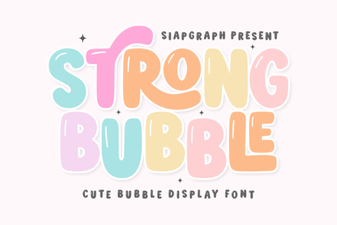 Playful Bubble Font Designs for Creative Projects
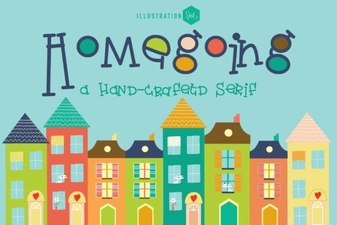 Creative Design with the Homegoing Font
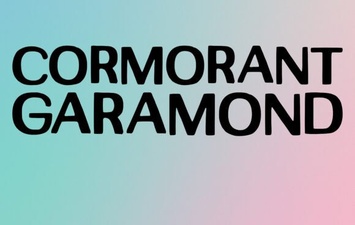 Elevate Projects with Cormorant Garamond
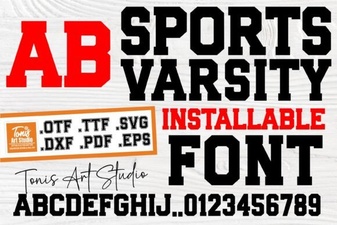 Varsity Lettering for Sports Graphics & Projects
 Elevate Projects with Expert Designer Fonts
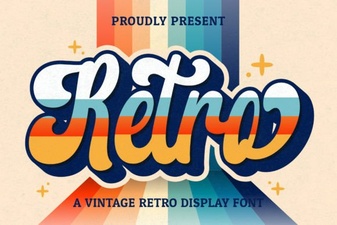 Vintage Script Fonts for Creative Design Projects