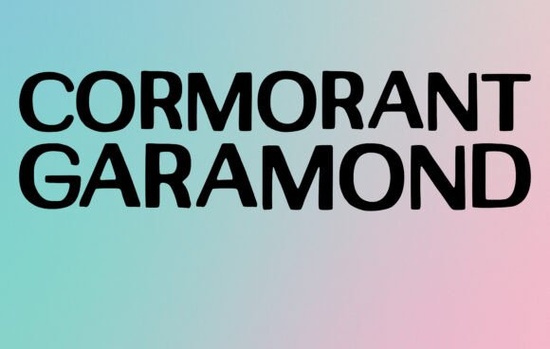
If you need a typeface that bridges classic elegance with modern readability, the Cormorant Garamond Font delivers exactly what professional projects demand. Found on Creative Fabrica, this versatile collection features multiple weights and styles that scale beautifully from delicate body copy to striking headlines. Many creators grab it because the letterforms breathe well on screen and hold their shape under heat transfer or ink printing. Whether you run a home studio or design for clients, having a reliable serif set saves hours of searching and testing.
Why does this serif typeface work so well for print and digital projects?
Old-style serifs like this one rely on gentle contrast between thick and thin strokes, which makes text feel familiar without looking dated. The spacing remains open enough to maintain clarity at smaller sizes, while the higher weight options create strong visual hierarchy for titles. Crafters often pair these letters with minimal layouts to let the type carry the mood. You can also check out how the Homegoing Font takes a completely different directional approach if you ever need something bolder for streetwear labels.
Where should you apply these elegant letterforms?
The character set handles both traditional and contemporary themes with ease. Here are the most common applications where this typeface shines:
- Wedding stationery: Soft curves and refined terminals give save-the-dates and place cards a timeless look without feeling stiff.
- Social media graphics: Light variants render cleanly on Instagram posts, while heavy cuts stand out in YouTube thumbnails or Facebook ads.
- Apparel and stickers: Clean line art avoids bleeding during vinyl cutting, making transfers smooth for t-shirts, tote bags, and die-cut decals.
- Brand identities: Small businesses appreciate how the family supports everything from business cards to website headers across a single download.
If your current lineup leans too playful, swapping in a structured display option like the Retro Script Font can introduce missing contrast, though you will notice the shift in personality right away.
How does it compare to other popular display options?
Type families vary widely in terminal treatment, x-height, and weight distribution. While some commercial fonts force you to buy separate bundles for body text and headings, this collection keeps the proportions consistent throughout. Designers who work frequently with editorial layouts usually prefer its measured rhythm over more decorative alternatives. For instance, when creating sports merchandise, you might switch to the Sports Varsity Font to capture that athletic block-letter energy, since geometric shapes do not translate the same way on textured fabrics. Holiday-themed campaigns sometimes call for novelty touches, which is why many creators keep a seasonal pick like the Grinched 20 Font in their backup folder, even though the structural discipline here relies on careful kerning and alignment rather than playful gimmicks.
What tips help you get the most out of this typeface?
Getting clean results comes down to layout discipline and export settings. Follow these steps before you start designing:
- Set baseline grid: Align your text boxes to a consistent vertical rhythm so multi-line quotes never look cramped.
- Adjust tracking carefully: Serif faces respond well to slight tightening in large headings, but leave breathing room in paragraphs to prevent gray patches.
- Test at actual size: Preview your mockups at one hundred percent zoom. What looks balanced in Canva or Illustrator often tightens up once printed or cut.
- Limit palette: Stick to two colors maximum per composition. High contrast works best when the background stays neutral.
You can explore additional variations by searching the full library on Creative Fabrica using Cormorant Garamond, which keeps the updated versions and matching assets in one place.
Ready to finalize your project files?
Before uploading to your print-on-demand store or sending proofs to clients, run through this quick validation list to avoid costly revisions:
- Verify commercial license terms match your intended sales channel
- Outline all text layers before exporting vector PDFs for cutting machines
- Check color mode conversion from RGB to CMYK for high-quality offset prints
- Backup original editable files separately from flattened exports
Once those steps are complete, you will have production-ready assets that maintain crisp edges and balanced proportions across any medium.
Try It Free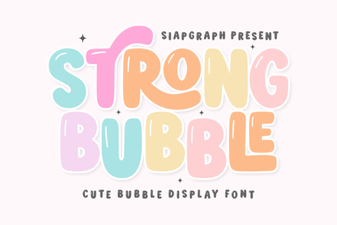 Playful Bubble Font Designs for Creative Projects
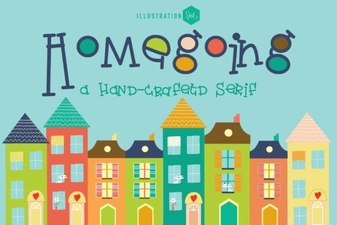 Creative Design with the Homegoing Font
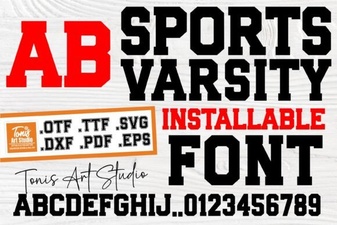 Varsity Lettering for Sports Graphics & Projects
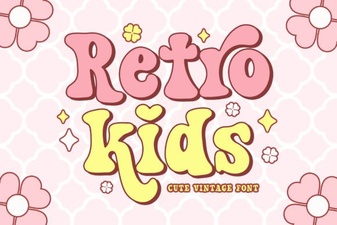 Retro Fonts for Kids: Design and Diy Projects
 Elevate Projects with Expert Designer Fonts
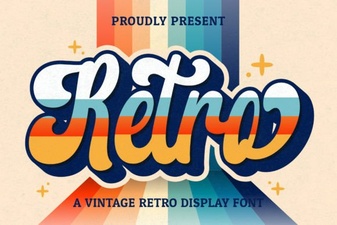 Vintage Script Fonts for Creative Design Projects