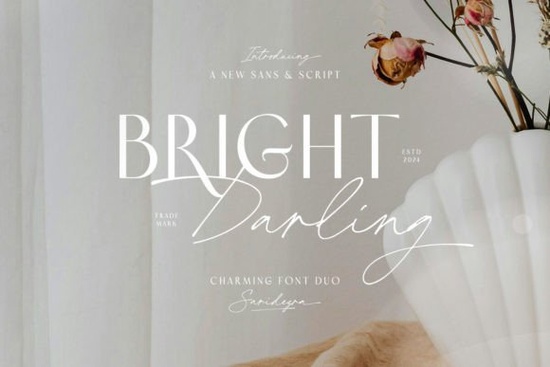
If you are looking for a typeface pair that balances clean structure with soft, hand-lettered curves, Bright Darling Duo Font delivers exactly that without adding visual clutter. The package includes two distinct style families: a straightforward sans-serif built for readability and a flowing script that feels personal yet polished. You will find this combination works well when you need to separate headings from body text while keeping the overall look cohesive. Designers often reach for sets like this when they want to maintain a modern aesthetic without sacrificing warmth, especially for projects that require both clear messaging and a touch of craftsmanship.
Why does this layout pairing feel balanced?
The strength of any dual-type set lies in how the shapes interact. Here, the sans component offers tight letter spacing, consistent stroke weight, and plenty of negative space. That makes it ideal for longer lines of text, pricing labels, or technical details where legibility matters. The script side introduces slight variations in line thickness and gentle flourishes that mimic actual marker pen strokes. When placed next to each other, neither style competes for attention. Instead, the sans acts as the anchor while the script provides personality. This division of labor keeps layouts organized, which saves time during proofing and reduces the need for constant size adjustments.
Where do these files actually perform best?
Print-on-demand sellers typically place the sans version on product tags, care instructions, and shipping labels. They reserve the script for main titles or short promotional quotes. Crafters who cut vinyl appreciate how cleanly the software reads both weights, leaving fewer gaps around sharp corners. Small business owners use the duo for packaging mockups, social media templates, and email headers. If you enjoy experimenting with mixed typography, you can swap in lighter geometric options for stronger contrast, or explore simple handwritten sans options to soften the edges further. The key is matching the tone of your message to the right style pair.
Which other combinations work alongside this set?
You rarely need to force every element into one family. Many creators layer neutral backgrounds with dark text blocks, then let the script carry the focal point. When testing layouts, try placing the sans at seventy-two points against the script at thirty-six points to establish hierarchy. For brands leaning toward industrial aesthetics, swapping in bold geometric alternatives might shift the mood entirely. Agencies focusing on editorial content often prefer clean contemporary pairings that stay strictly monochrome. Adding whimsical decorative scripts could work for seasonal campaigns, though those demand careful spacing control.
How should I prepare these assets for production?
Before exporting files for cutting machines or commercial printers, verify the character maps and test kerning pairs. Automatic software sometimes applies wide tracking by default, which breaks the intended rhythm of the script. Manually adjust the spacing between common letter combinations like L-e, T-h, or W-i to restore natural gaps. If you plan to scale elements beyond three hundred percent, convert all outlines to paths first. This prevents rendering shifts when moving between vector programs. Keeping a master document open helps you reuse positioning guides across multiple mockups.
What licensing details matter most?
Always review the commercial usage terms before applying any download to physical goods or paid services. Marketplaces usually separate personal research licenses from retail-ready permits, and many restrict redistribution of raw files. For detailed policy breakdowns, you can visit Bright Darling Duo Font to confirm the exact permissions attached to your purchase. Clear documentation protects both independent buyers and freelance studios, ensuring invoices and client contracts stay compliant.
Quick setup checklist
- Test both weights at final print sizes before committing to large batches.
- Turn off auto-kerning in your design software and adjust problematic pairs manually.
- Export vectors in SVG or PDF format to preserve edge clarity.
- Keep a separate folder for brand palettes so colors stay consistent across platforms.
- Review the license agreement specifically for merchandise resale limits.
When you have these steps locked in, start building reusable header templates. Save your preferred spacing ratios as style presets so new projects launch faster. If you need to grab this complete set for immediate use, visiting the dedicated product page gives you direct access to all available formats and preview images.
Get Started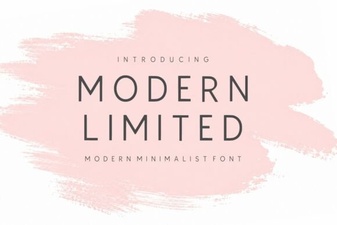 Modern Sans-Serif Fonts for Clean Web Design
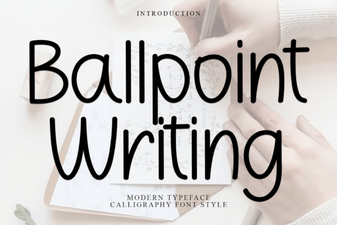 Craft Style with Ballpoint Script Fonts
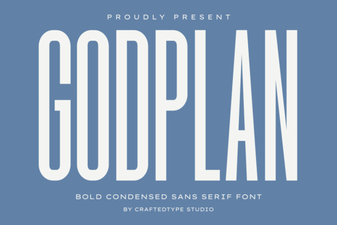 Discover Godplan Font for Creative Design Projects
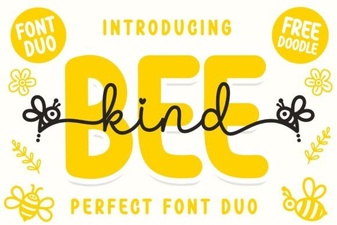 Bee Kind Duo Font: Creative Typography Projects
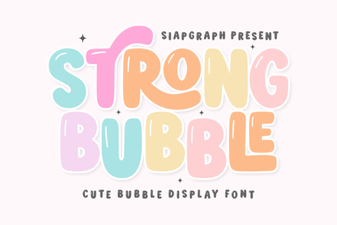 Playful Bubble Font Designs for Creative Projects
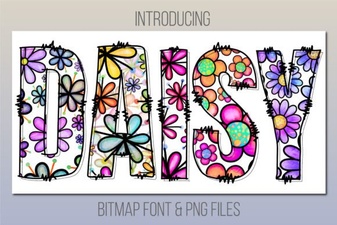 Daisy Font: Design Ideas and Download Guide