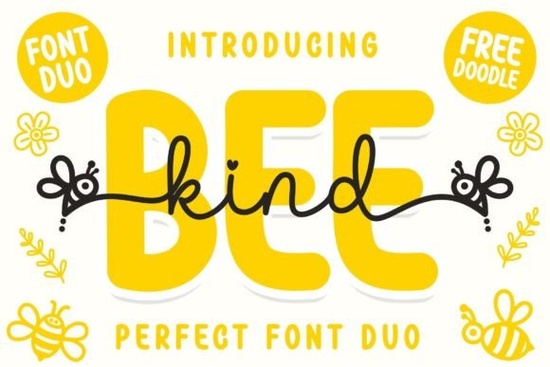
If you are looking for a versatile typeface that balances readability with a hand-drawn charm, the Bee Kind Duo Font delivers exactly that. This pair brings together a flowing script and a rounded sans display, both shaped by a gentle, honeycomb-inspired aesthetic. Whether you run a small stationery line, sell custom apparel through print-on-demand platforms, or simply enjoy scrapbooking at home, having two complementary styles in one package saves you time during layout and matching colors.
What makes this script and display pair stand out?
Most decorative typefaces force you to choose between elegance and approachability, but this set was built to coexist. The script style carries soft loops and natural weight shifts that mimic handwritten markers, while the sans display keeps letter spacing open and highly legible. That combination works especially well when you need headings to catch the eye without overwhelming smaller body text. You will also appreciate how the shapes lean slightly toward the right, giving layouts a forward-moving rhythm that feels friendly rather than stiff.
How do you install and use the included swashes?
One of the most practical features here is the PUA encoding, which stores alternate characters, decorative tails, and contextual swashes inside standard Windows and Mac glyph folders. Instead of searching through endless character maps, you simply select an anchor point in your typography settings or hit a single keyboard shortcut to swap a basic letter for its ornamental version. When working in tools like Adobe Illustrator, Canva, or Procreate, you can drag these alternates directly onto your canvas to create monograms, label headers, or social media quotes without breaking alignment. If you want to see how other creators pair similar lettering styles, browsing curated collections like those found at cute lettering packs often reveals fresh composition ideas.
Which project types work best with this typeface?
The gentle curves and organic terminals make this duo a natural fit for children’s branding, educational materials, and nursery decor. It also performs well on apparel tags, tote bags, and gift cards where clarity matters alongside personality. Many crafters use the sans display for short product names or size labels, then switch to the script for accent phrases like “little dreamer” or “handmade with love.” Because the letterforms avoid sharp angles, they render cleanly on vinyl cutters and sublimation printers, reducing registration issues on textured fabrics.
Where can I find similar playful options for my shop?
Building a cohesive catalog often means mixing different weights and moods. If your brand leans toward brighter, sketch-like strokes, you might enjoy exploring marker-style lettering to add tactile texture. For bolder statements that still feel inviting, pairing this set with a thicker alternative like bold rounded displays creates strong visual contrast. When your projects call for softer, more whimsical finishes, checking out pastel-toned scripts or swinging accents from curved typewriter styles keeps your storefront looking varied without clashing.
Is it safe for commercial print-on-demand projects?
Yes, the license covers standard e-commerce uses, including merchandise production, digital templates, and client deliverables. Always double-check the specific terms for marketplace resale rights before uploading bulk designs to platforms like Etsy or Amazon Merch. Keeping a record of your download receipt and export dates helps streamline any future compliance reviews. For broader guidance on font usage across different industries, reviewing official resources from Bee Kind ensures your projects stay fully aligned with current distribution rules.
Quick setup checklist for your next design session
- Import both files into your system before opening your design software.
- Test kerning pairs like “Qu,” “Wy,” and “Lt” to adjust tracking if needed.
- Save color palettes that complement warm neutrals and muted pastels.
- Export mockups on matte paper and cotton blends to verify ink coverage.
- Organize layers by keeping the script and sans styles on separate groups.
Start by placing the sans display as your base grid, then layer the script along the baseline for seamless blending. Adjusting line height by ten percent usually prevents descenders from clipping printed edges. Once your layout feels balanced, run a quick proof on your actual printing substrate before scaling up production.
Get Started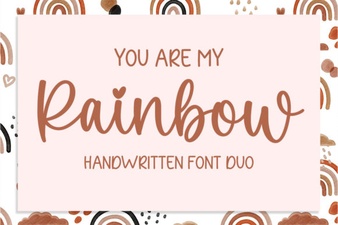 Rainbow Font Designs: Creative Ideas for Your Next Project
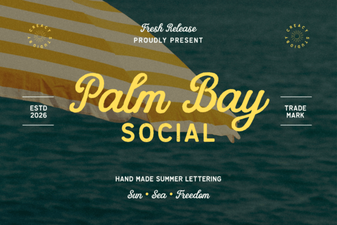 Palm Bay Font for Web Design Projects
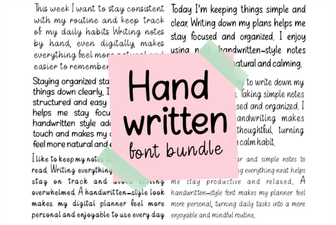 Unlock Your Creativity with Handwritten Font Bundles
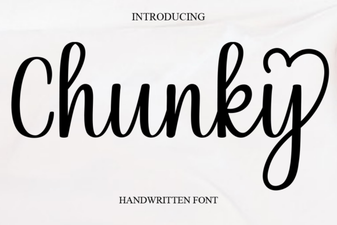 Bold Chunky Fonts for Impactful Graphic Design
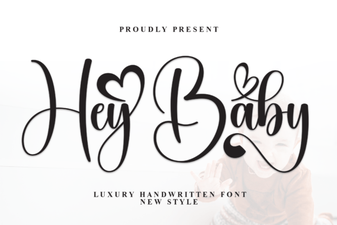 Hey Baby Font: Creative Uses & Design Inspiration
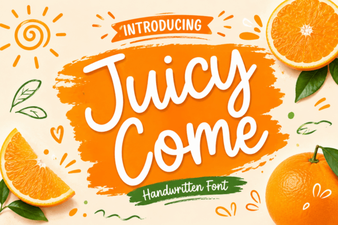 Juicy Come Font: a Creative Typeface for Bold Designs