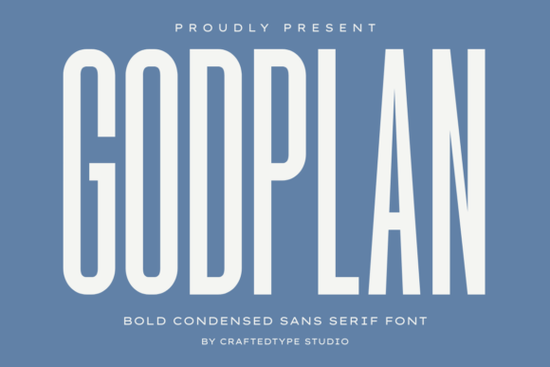
When you need typography that commands attention without taking up extra horizontal space, Godplan Font delivers exactly what modern layouts require. It is a condensed sans serif built for readability at large sizes while maintaining a tight, architectural silhouette. Designers often reach for this typeface when working with short, punchy copy that must land immediately on storefront windows, gym apparel, or mobile ad creatives.
Why choose a condensed sans serif for high-impact projects?
Condensed typefaces solve a common layout problem: fitting wide messages into narrow containers. This font uses thick vertical strokes and compressed counters to keep eye contact steady. The structure works well for fitness gear where fabric curves limit line width, and for digital banners that scroll quickly on smartphone screens. The heavy visual weight prevents the letters from disappearing against busy backgrounds, which matters when your design competes for split-second attention.
You can pair this font with simpler supporting types when building complete brand systems. Many makers explore balanced pairing resources like those in the dual-weight font showcase to contrast strong headers against lighter body text. Others look toward hand-lettered script alternatives available at this botanical-inspired collection for greeting cards and artisan packaging. If your workflow requires adjustable compression, checking these tight letter-spacing options often leads straight to professional results. Staying focused on this specific condensed sans option simplifies your file management while keeping exports consistent across multiple projects.
How does this font perform across print-on-demand and digital media?
The file package includes both OTF and TTF formats, making installation straightforward regardless of your software preference. Full PUA encoding means every glyph sits in a consistent location, which speeds up template creation for recurring clients. You can drop the files directly into vector editors or free image tools without chasing missing characters. This consistency saves hours during batch production cycles for vinyl decals, tumblers, and promotional posters.
Digital campaigns benefit from the same clean geometry. Social media story templates, video thumbnails, and event flyers all rely on quick visual hierarchy. A strong headline font stops scrollers mid-feed, while narrower proportions leave room for logos or QR codes. The architectural finish also bridges casual and corporate markets, so you do not need separate licenses for urban streetwear drops versus quarterly business presentations. Some creators also rotate in casual handwriting styles from this everyday writing library when drafting mockups for casual merchandise runs.
What makes this option stand out in the current type library?
Marketplace type collections expand daily, but structural clarity remains the true differentiator. This design avoids decorative cutouts or uneven baseline shifts that break legibility at smaller scales. Instead, it leans on consistent stroke modulation and predictable kerning pairs. These traits matter when you scale artwork down for phone screens or print it across curved garment panels. The result feels intentional rather than rushed.
Creators who regularly submit products to online marketplaces appreciate predictability. Consistent spacing reduces revision rounds, and reliable file formats prevent export errors. If you are testing new niches within the {category} segment, starting with a stable foundational type reduces guesswork. You can always rotate in seasonal accents later, but keeping the core message sharp protects your conversion rates.
How should you size and color this typeface for best results?
Keep tracking slightly tighter than standard sans serifs to maintain its intended character shape. Leave enough breathing room above and below the cap height so ascenders and descenders never touch adjacent lines. White space around bold letterforms actually increases perceived value, so resist the urge to crowd the edges. For dark mode interfaces or black substrate printing, consider using a slightly lighter background tint to reduce eye strain while preserving contrast.
- Test at actual output size before finalizing layout dimensions
- Apply subtle inner shadows only when projecting onto textured fabrics
- Use gradient fills sparingly; flat colors usually read cleaner on stretched materials
- Export vector outlines whenever possible to preserve crisp corners during scaling
Where can you verify technical specs and licensing terms?
Always review the commercial usage rules attached to each type family before uploading finished artwork to fulfillment platforms. Most marketplaces require proof of license ownership, and some restrict resale limits depending on the project scope. Visiting the official product page gives you direct access to updated documentation and sample downloads. Searching for Godplan through authorized retailers ensures you receive properly formatted files along with valid usage rights.
Before launching your next production run, run through this quick verification list:
- Install both OTF and TTF versions in your system font manager
- Create a master style sheet with approved tracking and leading values
- Generate test prints on actual materials to check ink coverage and edge retention
- Backup exported vectors in a shared cloud folder labeled by client and date
If you need support adapting this font to a specific project dimension, adjust the vertical proportion carefully, compare results side by side, and keep only the configuration that maintains clarity at your smallest intended size.
Explore Design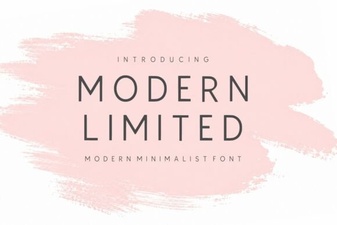 Modern Sans-Serif Fonts for Clean Web Design
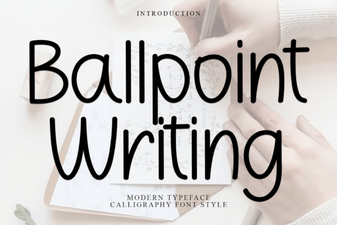 Craft Style with Ballpoint Script Fonts
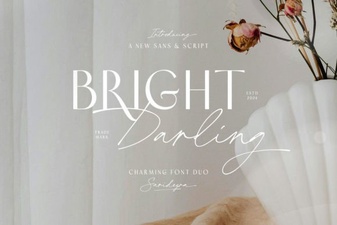 Bright Darling Duo Font for Creative Projects
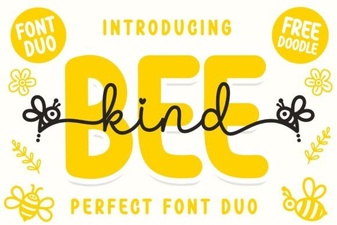 Bee Kind Duo Font: Creative Typography Projects
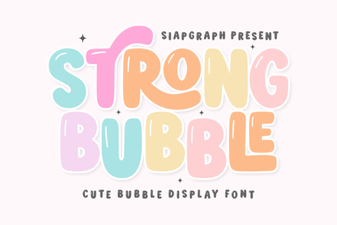 Playful Bubble Font Designs for Creative Projects
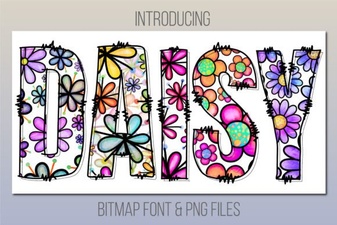 Daisy Font: Design Ideas and Download Guide