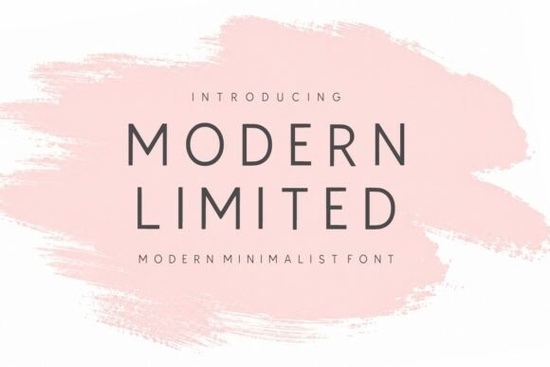
If you need a clean, adaptable typeface that reads well at any size, the Modern Limited Font fits right into that gap. It strips away unnecessary flourishes while keeping a polished, high-end feel that works across both screen and paper. Designers who need reliable sans serif options often reach for this family when they want their layout to breathe without sacrificing legibility.
What makes this sans serif stand out from other display faces?
The core strength lies in its restrained geometry. Consistent stroke weights and rounded terminals prevent sharp edges from competing with your content. That balance keeps it quiet enough for body copy yet strong for large headlines. Paired with ample white space, the negative space around the letters keeps layouts uncluttered even when packed with text.
Many creators appreciate how easily it pairs with decorative typefaces. Combine it with a script like Godplan for quotes or a handwritten accent such as Ballpoint Writing for signatures. Explore complementary styles like Sunflower or Bright Darling Duo for seasonal variations. Staying with Modern Limited Font Sans Serif Fonts remains the safest fallback when your main hierarchy needs stability.
Which business or craft projects actually benefit from this layout approach?
This style shines when you need your product to communicate restraint. Small business owners frequently use it for coffee shop menus, boutique clothing labels, and skincare packaging because the clean shapes read clearly at small sizes. Print-on-demand sellers lean toward it for t-shirt graphics and tote bag prints, especially when artwork relies on negative space. Wedding planners use it for invitation suites since it maintains elegance without overpowering floral details. Photographers, interior stylists, and social media managers also prefer it alongside portfolio layouts and platform banners where images carry the visual weight.
How should you prepare the files before sending them to print or development?
Before committing to mass production, run quick tests on actual output devices. Printer profiles can soften thin strokes faster than expected, so increase the point size slightly or switch to medium weight for stickers, acrylic charms, or laser-cut signs. Digital developers should export outlines as SVGs or use web-safe embedding methods to keep line weights consistent across browsers. Verify licensing terms if you plan to sell finished goods, as extended licenses cover larger print runs. A quick practice run helps you catch spacing quirks early, so lock your tracking settings before finalizing your vector files.
What common mistakes should you avoid during implementation?
Tracking too tightly will compress the rounded terminals and ruin the open, airy feel that defines this family. Leave at least two percent tracking on headlines to preserve that luxury silhouette. On dark backgrounds, convert the type to vectors and adjust the fill opacity to ninety-two percent instead of relying on anti-aliasing, which can blur delicate curves. When building responsive websites, set fluid clamp values that scale smoothly between mobile and desktop breakpoints. Test your chosen colors in grayscale mode first; if the hierarchy collapses without hue, the spacing needs adjustment before adding color accents.
Where can you explore the official source for accurate specs and updates?
Modern Limited Font provides detailed documentation on glyph coverage, supported languages, and recommended kerning pairs. Reading through those notes saves time when troubleshooting misaligned diacritics or building multilingual brand guides.
Quick prep checklist before launching your project
- Set up a test document at actual print dimensions or browser viewport size
- Run a sample paragraph to check readability at small scales
- Export vector copies for cutting machines and website assets
- Confirm commercial licensing matches your sales channel
- Save paired font combinations as named presets in your design software
Start with one brand identity element, refine the hierarchy, and scale outward once the spacing feels comfortable. This method keeps your workflow organized and reduces last-minute formatting fixes.
Learn More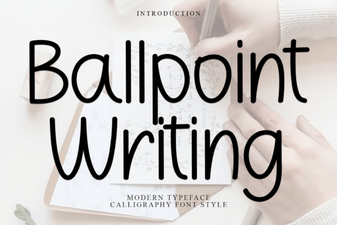 Craft Style with Ballpoint Script Fonts
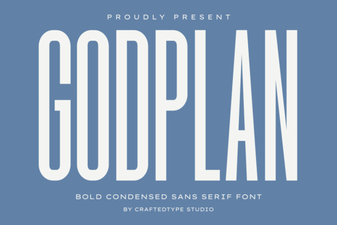 Discover Godplan Font for Creative Design Projects
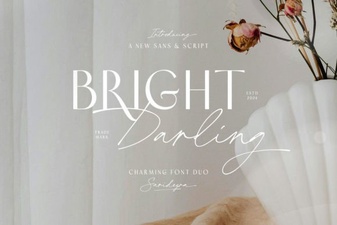 Bright Darling Duo Font for Creative Projects
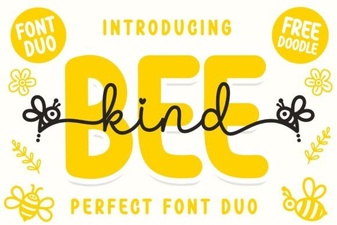 Bee Kind Duo Font: Creative Typography Projects
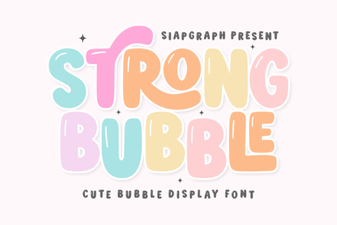 Playful Bubble Font Designs for Creative Projects
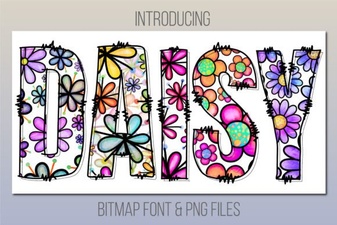 Daisy Font: Design Ideas and Download Guide