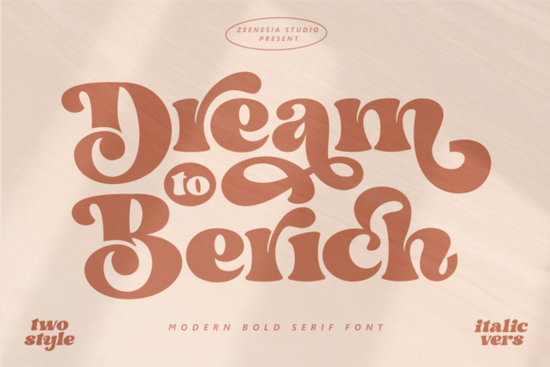
If you are looking for a versatile typeface that blends classic elegance with modern readability, Dream to Berich Font delivers exactly that. Designed with a refined serif structure, it works smoothly across digital layouts, packaging, and physical merchandise. The file uses PUA encoding, which solves the common headache of missing characters by placing every glyph, alternate, and swash into an accessible character map. You simply open your software’s special characters panel, click what you need, and paste it into your text box. This straightforward workflow saves time and keeps your creative momentum intact whether you are designing storefront signs, preparing mockups, or cutting vinyl for personal gifts.
Why rely on PUA encoding for custom typography?
Standard font files often hide extra characters deep within complex OpenType features that some older design programs cannot read. PUA encoding moves those extras to the Private Use Area of the Unicode standard. That means you can pull ornamental initials, decorative ligatures, and alternate letters without relying on advanced feature toggles. Crafters and small business owners especially appreciate this approach because it works reliably across Adobe Illustrator, Cricut Design Space, Silhouette Studio, and Canva. You get consistent results every time you export a PNG or PDF.
Building a cohesive brand identity becomes much easier when you know your headline type supports extended stylistic sets. Instead of searching for multiple matching weights or adjusting kerning manually, you can pick a swash capital that naturally balances your layout. Many creators pair these textured letterforms with clean sans-serifs for body copy to maintain legibility while adding visual interest to titles. If you enjoy experimenting with mixed-style combinations, you might also want to explore our curated collection at Sharp History Font for complementary textures.
Which industries actually benefit from this kind of serif design?
Premium retail labels, boutique apparel brands, and digital planners consistently use elegant serif typefaces to communicate trust and craftsmanship. When printed on matte paper or debossed onto leather goods, the subtle stroke contrast reads beautifully at larger sizes. For print-on-demand sellers, clear spacing and well-proportioned counters prevent ink bleed and scanning errors during the mockup stage. Hobbyists who make wedding invitations, tea labels, or artisanal soap tags report fewer alignment issues because the baseline and x-height remain steady throughout the alphabet.
The extended character set also supports quick localization. If you frequently update menus, event posters, or product listings for European markets, having accented versions readily available cuts down on manual substitution work. Many users download the typeface to test weight variations before committing to bulk orders. Pairing Dream to Berich Font with high-resolution imagery helps visualize how the letterforms interact with photographs before finalizing a campaign.
How should I organize these glyphs during busy project deadlines?
Keeping a tidy asset folder prevents last-minute scrambling when clients request quick revisions. Create a master document in your preferred design tool and paste your most-used alternates directly into a reference sheet. Label each row with the intended application, such as headers, subheadings, or decorative dividers. Some teams prefer building shortcodes or text replacement scripts so they can swap standard capitals for swashes with two keystrokes. Testing exports across different color modes ensures the thin strokes do not disappear during screen sharing or low-ink printing.
If you regularly publish seasonal collections or limited drops, maintaining a shared style guide simplifies team handoffs. Document the recommended tracking values, line spacing ranges, and background contrast ratios ahead of launch week. Reviewing competitor layouts often reveals where heavy decoration overwhelms the message versus where it draws the eye exactly where you want it. Checking out editorial options like Medvilea Editorial Font shows how lighter treatments balance heavily textured display types.
What steps guarantee smooth usage across all platforms?
Import the package into your operating system’s font directory rather than leaving it zipped in downloads. Verify installation by opening any standard word processor and selecting the family from the dropdown menu. Check alignment previews at both large display sizes and small caption scales before embedding files into client deliverables. Run a quick spelling scan through your software’s proofing tools to catch swapped glyphs that might look similar but contain different unicode references.
- Back up original .otf or .ttf files before editing them in third-party vector apps
- Export final artwork as vector PDFs whenever possible to preserve crisp edges
- Use soft clipping masks instead of hard drop shadows when layering behind product photos
- Keep a dedicated preferences file for margins, safe zones, and bleed requirements
Following these routine checks reduces revision cycles and keeps your portfolio looking polished. Try applying the primary style to a single logo mark first, then scale it up to billboard dimensions and down to phone screens. Adjust tracking slightly wider for headlines reading over busy backgrounds, then tighten it for centered quotes. Revisit our full showcase at Dream to Berich Font to compare side-by-side layouts and see how professionals structure their typographic hierarchy.
Learn More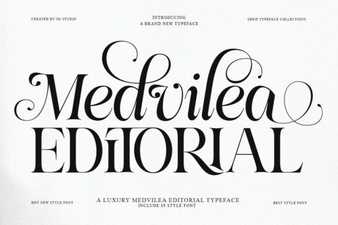 Medvilea Font for Editorial Design Projects
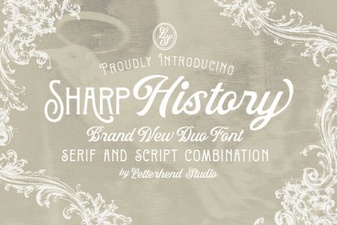 Sharp History Font for Creative Projects & Designs
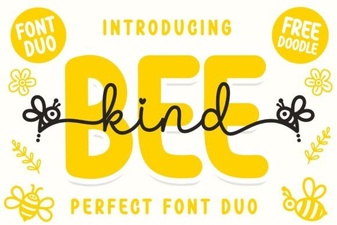 Bee Kind Duo Font: Creative Typography Projects
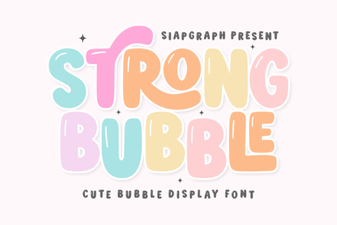 Playful Bubble Font Designs for Creative Projects
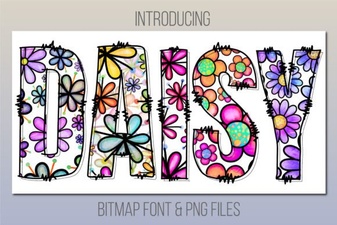 Daisy Font: Design Ideas and Download Guide
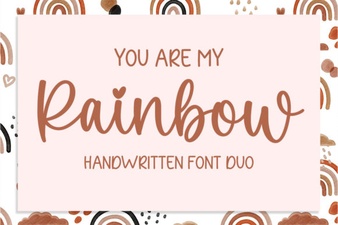 Rainbow Font Designs: Creative Ideas for Your Next Project