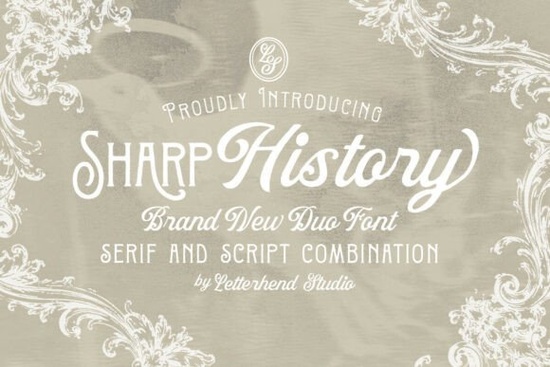
Finding the right typography combination often takes more time than the actual design work. You want something that feels established but still has personality. The Sharp History Font offers a practical solution by pairing a decorative serif with a flowing script. This combination saves you from hunting for two separate files that might not match well. Instead, you get a coordinated look that feels intentional and polished right from the start.
Vintage aesthetics are popular right now, but they need to be handled carefully. Too much ornamentation can make text hard to read, while too little might feel plain. This typeface balances those needs. The serif component brings classic character with subtle ornamental details. It works well for headings where you need authority. The script side adds a soft and natural flow. It is perfect for names, quotes, and signatures where a human touch matters.
What Makes This Font Duo Versatile?
Designers often ask if a single font family can handle multiple roles. In this case, the answer is yes. Because the styles are designed to work together, you do not have to worry about clashing weights or incompatible x-heights. The balanced and timeless look fits various projects. For example, wedding invitations benefit from the refinement, while branding projects gain a sense of heritage.
If you are working on editorial layouts, readability is key. The serif style ensures long blocks of text remain legible while maintaining style. However, if you need something strictly for high-contrast magazine headers, you might explore other options. For instance, you could look at a classic editorial typeface to see how different weights affect layout. Sometimes, seeing similar structures helps you decide if this specific vibe fits your grid system.
Where Can You Use These Styles?
Packaging design requires fonts that stand out on a shelf. The ornamental details here catch the eye without screaming. Greeting cards also benefit from this mix. You can use the script for the main message and the serif for the sender's details. It creates a hierarchy that guides the reader naturally.
Small businesses often need logos that look established even if the company is new. A vintage-inspired font duo suggests longevity. It implies care and tradition. If you are building a brand identity, consistency is vital. You might compare this against another vintage option to see which character shapes align better with your brand values. Some brands need sharper edges, while others need softer curves.
Logos using this duo work well on labels for artisanal products. Think coffee bags, candle jars, or boutique clothing tags. The script adds a personal signature feel, while the serif provides the necessary structure for legal text or ingredients lists. This flexibility means you can buy one package and use it across multiple touchpoints in your customer journey.
How Do You Install and Access the Files?
Most modern design software supports standard font formats. Once downloaded, you can install these on both Mac and Windows systems. They work in Adobe Photoshop, Illustrator, and Canva. Having both styles in one package simplifies your asset management. You do not need to track down separate licenses for the script and the serif.
To get started, you can view the full font package for specific file formats and language support. Knowing exactly what glyphs are included helps when designing for international clients. It also ensures you have the right tools for special characters or alternate swashes that might be needed for a custom logo mark.
Tips for Pairing Typography Effectively
Even with a matched duo, spacing matters. Kerning the script font is often necessary to ensure letters connect naturally. Do not rely solely on default settings. Adjust the tracking on the serif font to give it breathing room, especially if you are using it in all caps for a logo.
Color choice also impacts how vintage fonts appear. Dark browns, deep greens, or muted golds often complement this style better than bright neons. Keep the background clean so the ornamental details do not get lost. Test your design in black and white first to ensure the contrast holds up before adding color.
When using the script for signatures, vary the size slightly to mimic real handwriting. A perfectly uniform baseline can look too digital. Adding a slight rotation or adjusting individual letter heights can make the text feel more organic. This small effort adds significant value to the final perception of your brand.
Finally, consider the medium. Print and screen display fonts differently. A serif that looks crisp on paper might lose detail on a low-resolution mobile screen. Always preview your designs on the actual device your audience will use. This ensures the decorative elements remain visible and the text stays readable across all platforms.
- Check Kerning: Adjust spacing on the script for natural connections.
- Test Readability: Ensure the serif is legible at small sizes.
- Match Colors: Use muted tones to enhance the vintage feel.
- Verify License: Confirm usage rights for commercial projects.
- Preview on Device: Check how the font renders on mobile screens.
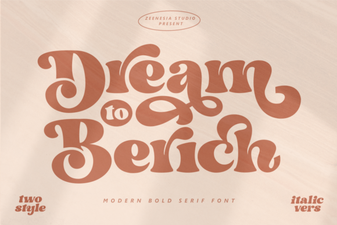 Dream to Berich Font: Design and Usage Ideas
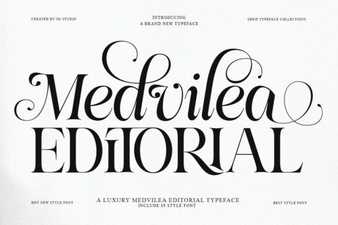 Medvilea Font for Editorial Design Projects
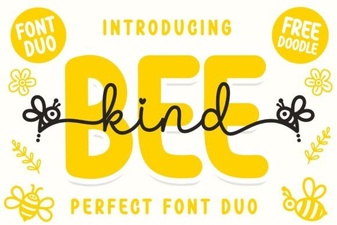 Bee Kind Duo Font: Creative Typography Projects
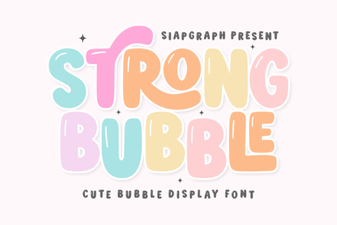 Playful Bubble Font Designs for Creative Projects
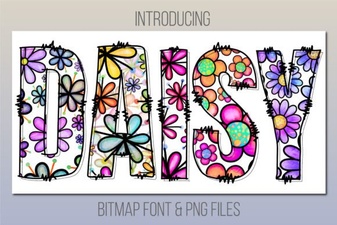 Daisy Font: Design Ideas and Download Guide
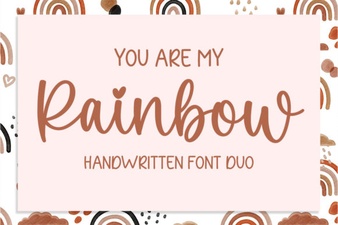 Rainbow Font Designs: Creative Ideas for Your Next Project