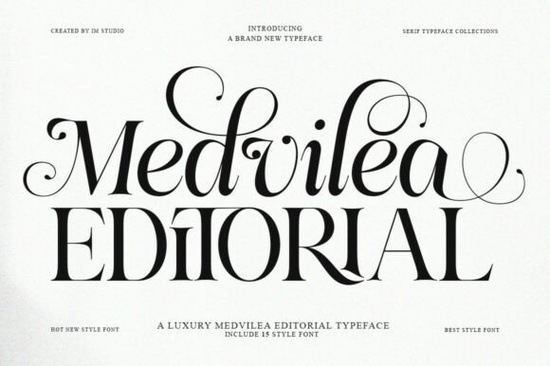
Choosing the right typography sets the tone for any creative project. When you need something that screams sophistication without being overly ornate, a modern display serif often fits the bill. The Medvilea Editorial Font is designed specifically for this purpose. It brings timeless luxury into your designs through precision-crafted curves and subtle contrasts. Whether you are building a brand identity or laying out a magazine, having a typeface with character is essential. This collection offers fifteen unique styles, giving you the flexibility to handle everything from body text to large headlines without switching font families.
Designers often struggle to find a single family that works across different mediums. You might need a condensed version for a poster but an expanded version for a website header. This package solves that problem by including standard, condensed, and expanded variations. While you might look at classic serif alternatives for a traditional feel, this collection offers a modern twist suitable for contemporary luxury markets. The attention to detail in the curves ensures that even at smaller sizes, the text remains legible and elegant.
What makes this typeface suitable for luxury branding?
Luxury branding relies heavily on whitespace and typographic hierarchy. A font that is too bold can feel aggressive, while one that is too thin might get lost. The balance found in this typeface allows logos to stand out on business cards and packaging. The subtle contrasts between thick and thin strokes create a high-end aesthetic that is commonly seen in fashion editorials. If you are comparing options, you might also consider other premium typefaces to see how different weights affect brand perception. However, the variety here means you do not need to purchase multiple separate fonts to achieve a cohesive look.
Another critical factor for global businesses is language support. This collection includes uppercase and lowercase characters with extensive international language support. This ensures that your branding remains consistent whether you are printing materials for local clients or expanding into foreign markets. Consistency in typography builds trust, and having a robust character set prevents you from having to substitute letters when special characters are needed.
Where should you use these font styles?
The versatility of this collection makes it useful for various industries. In editorial and publishing, magazine titles require fonts that grab attention without sacrificing readability. The expanded styles work well for cover headlines, while the regular weights are suitable for pull quotes. For fashion and lifestyle projects, think about product labels for cosmetics or posters for exclusive events. The elegant curves complement high-quality imagery without competing for attention.
Digital presence is another key area. Web typography needs to load quickly and look sharp on all screens. These styles are optimized for digital assets, including social media content. When you pair the italic variants with standard weights, you can create dynamic layouts for blog headers or Instagram stories. To understand the full potential of the files, you can view the complete style range here to see every weight available in the package. This helps you plan your design hierarchy before you start working in your software.
How do you manage multiple weights in one project?
Using fifteen styles might seem overwhelming at first, but it actually simplifies your workflow. Instead of mixing different font families, you stay within one system. Start by selecting a primary weight for your main headings. Use the condensed versions for subheadings where space is tight. The italic variants are perfect for emphasizing specific words or creating captions. This approach keeps your design clean and professional.
When working on print-on-demand items, such as t-shirts or mugs, test the expanded styles first. They often look better on merchandise because they fill the space more effectively. Always check the kerning between letters, especially with serif fonts, to ensure even spacing. Proper tracking can make the difference between a amateur look and a polished final product. Take your time to experiment with the different proportions to find the right visual balance for your specific layout.
Before finalizing your design, run through this quick checklist to ensure you are getting the most out of the typeface:
- Check Legibility: View your text at 100% zoom to ensure small details are clear.
- Test Contrast: Make sure the font color stands out against your background images.
- Verify Languages: Confirm that all special characters needed for your target audience are included.
- Pair Wisely: Combine the serif headlines with a simple sans-serif for body text if needed.
- Export Correctly: Save your files in the appropriate format for print or web use.
Taking these steps will help you maintain quality across all your creative outputs. With the right preparation, this typeface can become a staple in your design toolkit for years to come.
Learn More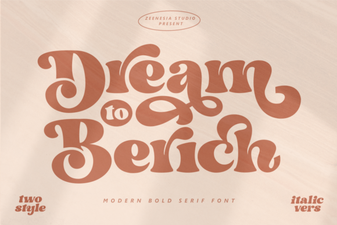 Dream to Berich Font: Design and Usage Ideas
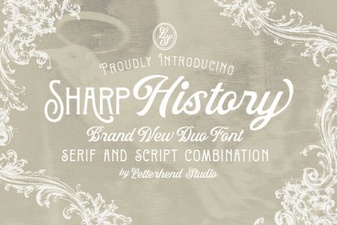 Sharp History Font for Creative Projects & Designs
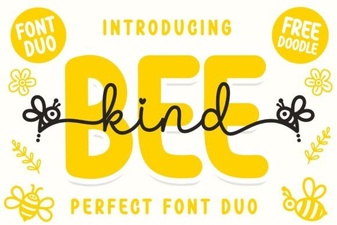 Bee Kind Duo Font: Creative Typography Projects
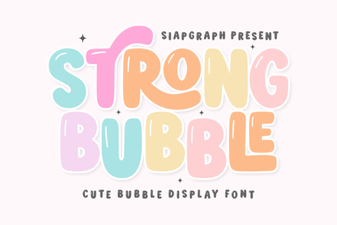 Playful Bubble Font Designs for Creative Projects
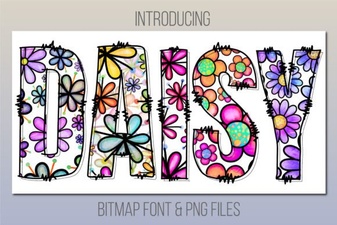 Daisy Font: Design Ideas and Download Guide
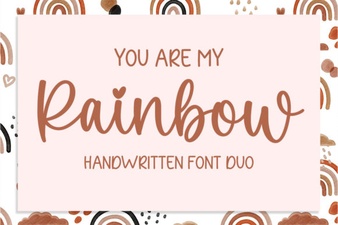 Rainbow Font Designs: Creative Ideas for Your Next Project